


The True Cost of Replacing Top Talent—And Why Disability Inclusion Is a Retention Strategy

Most organizations track the cost of hiring.
Far fewer organizations recognize the full cost of losing top talent, particularly when that talent is prepared to assume leadership roles.
And right now, a critical trend is emerging:
Professionals with disabilities are moving up in their careers—but for many, that progress means leaving their current companies behind.
This is not solely a talent mobility issue; it is fundamentally a disability retention problem.
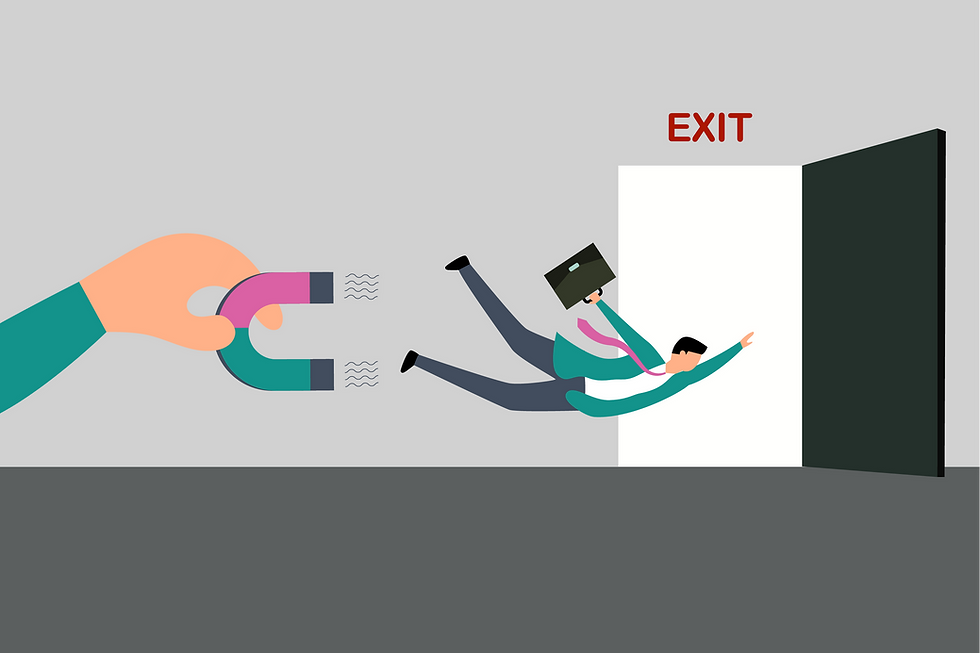
The Real Cost of Replacing Top Talent
Replacing employees is costly, and replacing experienced or senior-level talent is even more expensive.
The average cost to hire is about $4,700, but total replacement costs often reach 50% to 200% (or more) of annual salary depending on role
For specialized or executive roles, costs can climb as high as 4x annual salary
Productivity losses during vacancy and ramp-up periods can take months to recover
These are only the visible costs; the hidden impacts are often greater:
Loss of institutional knowledge
Disruption to teams and workflows
Delayed projects and slowed innovation
SHRM’s research on employee turnover and replaceability shows that organizations treating employees as interchangeable often underestimate the long-term business impact.
When top talent leaves, organizations lose not only capacity but also momentum.
A Defining Trend: Career Mobility for Professionals with Disabilities
According to Disability:IN and LinkedIn’s Momentum at Work report:
Professionals with disabilities are advancing into higher-level roles at increasing rates
However, they are significantly more likely to advance by changing employers rather than through internal promotion.
In fact:
9.3% of professionals with disabilities moved into higher-level roles from 2023 to 2024
2.0% advanced within the same company
7.3% advanced by moving to a new employer
Employees with disabilities are nearly four times more likely to advance by leaving their organization than by staying.
Additional insights from the report reinforce this pattern:
Employees with disabilities are changing employers at higher rates than non-disabled peers
Advancement is occurring, but internal mobility pathways are lagging
What This Means for Employers
This trend highlights two critical realities:
1. Progress is real
More professionals with disabilities are reaching senior roles and building career momentum.
2. Retention systems are not keeping pace
Organizations are struggling to provide accessible pathways to advancement.
The result:
Employers invest in talent but often lose it just before it delivers its greatest value.
Why Top Talent with Disabilities Leaves
The primary reasons are rarely related to capability; more often, they concern access.
Key barriers include:
Limited internal mobility
Lack of clear or equitable promotion pathways
Inaccessible systems and processes
Hiring, promotion, and evaluation structures that don’t account for different ways of working
Inconsistent accommodation experiences
Delays or friction in requesting and maintaining support
Psychological safety gaps
Fear that disclosure may impact advancement
Narrow definitions of leadership “fit”
Over-reliance on traditional leadership profiles
Talent is advancing, but often only when individuals move to other organizations.
The Hidden Cost: Losing Future Leaders
When professionals with disabilities leave to grow their careers, organizations lose:
Emerging leaders and future executives
Diversity within leadership pipelines
ROI on training and development investments
Critical institutional knowledge
For executive-level roles, the impact is even more significant:
Replacing a senior leader can cost up to 400% of annual salary
93% of organizations say executive retention is critical to success
Turnover at this level is both costly and disruptive to long-term strategy
According to NFP’s Executive Benefits Trends Study, companies are increasingly investing in executive retention strategies, yet many still overlook the importance of inclusion in long-term retention.
What Employers Should Do Differently
If advancement requires employees to leave, retention strategies are not effective.
Here’s where to focus:
1. Redefine What Leadership Looks Like
Broaden how readiness and performance are evaluated
Recognize different leadership styles
Focus on outcomes over presentation
Mindset shift:
Shift from seeking a “perfect fit” to recognizing “high potential with the right support.”
2. Make Career Growth Accessible by Design
Ensure internal applications and promotion processes are accessible
Clearly communicate advancement pathways
Actively sponsor employees with disabilities
Monitor for high performers who remain stagnant while their peers advance.
3. Treat Accommodations as a Retention Strategy
Streamline and standardize processes
Revisit needs as employees grow into new roles
Key insight:
Many accommodations require minimal investment, while turnover is costly.
4. Build Psychological Safety Into Advancement
Normalize disability inclusion in leadership conversations
Increase visibility of disabled leaders
Train managers on equitable promotion practices
5. Align Retention Investments with Inclusion
Organizations are already investing in retention:
92% of employers say executive benefits improve retention
However, compensation alone is not sufficient.
Retention must also include:
Accessible systems
Inclusive leadership pipelines
Equitable career mobility
Build an inclusive talent pipeline from the ground up.
The Opportunity Ahead
Organizations that invest in inclusive advancement can:
Reduce costly turnover
Strengthen leadership pipelines
Improve engagement and retention
Become employers of choice for top talent
Most importantly:
They can retain the talent they have already worked hard to attract.
Disability Retention Is Where Inclusion Becomes Real
Professionals with disabilities are advancing. But, too often, those promotions happen after they leave for another company.
The real question for employers is whether your workplace supports employee growth.
If advancement only occurs when someone leaves, this is not a hiring issue. It indicates your systems need to change.


