How Corporate Skill Development Programs Can Support Employees with Disabilities

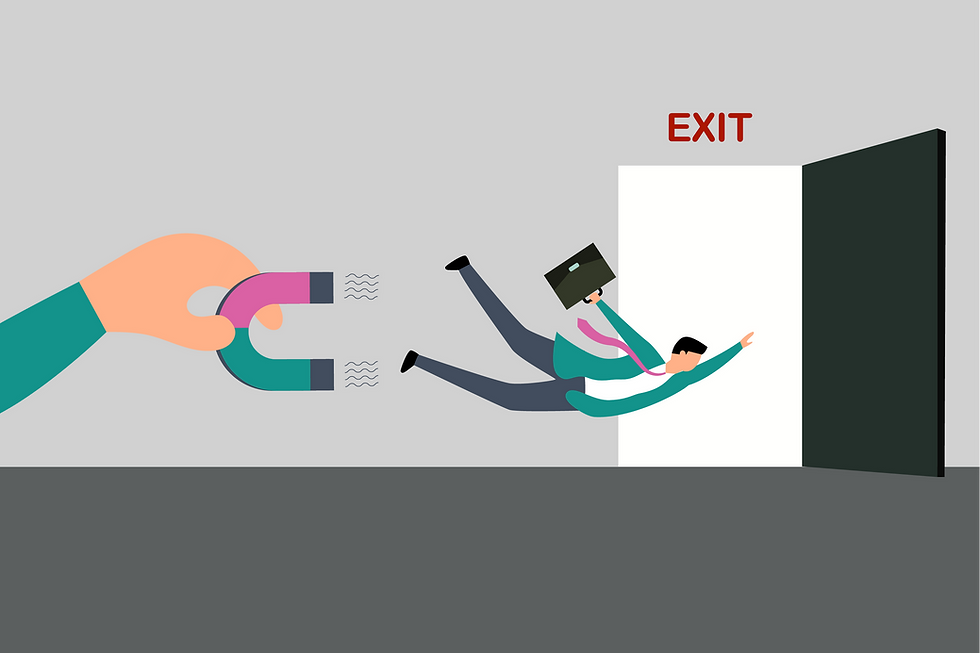
What happens when a company invests heavily in upskilling but employees with disabilities cannot access those opportunities on equal terms? Deloitte’s first Disability Inclusion @ Work 2024 survey found that employers rejected at least one accommodation request from 74% of respondents who had requested support. Six in 10 respondents also missed a work event because accessibility barriers prevented them from attending.
The issue extends beyond physical access. An employee may technically have access to a training program yet struggle to benefit from it because of inaccessible materials, inflexible schedules, unsuitable communication formats, or limited support from managers. These barriers can affect who develops new skills, who gets noticed for opportunities, and ultimately who progresses within an organization.
The message is clear. Inclusive skill development cannot stop at offering a course. Companies must make learning accessible, practical, and connected to career growth.

Why Inclusive Corporate Skill Development Needs a Different Lens
Corporate learning often focuses on what employees need to learn next. An inclusive approach also asks what might prevent someone from participating, applying a new skill, or being considered for the next opportunity.
That broader perspective requires organizations to look beyond workplace performance and understand the barriers employees with disabilities may encounter throughout the learning journey. Inaccessible content, communication gaps, rigid training formats, or limited manager support can make otherwise valuable development opportunities harder to use.
Skills such as active listening, communication, ethical decision-making, advocacy, and problem-solving can help managers and teams create workplaces where employees with disabilities can participate and contribute more effectively. These skills can also shape how professionals approach their own continued learning.

For someone who is balancing employment, accessibility needs, and personal responsibilities, a traditional classroom schedule may not always provide the flexibility needed to pursue further education.
Online programs can offer an alternative by allowing professionals to learn from a familiar environment, access course materials digitally, and fit study around existing work and personal commitments. When designed with accessibility in mind, online learning can also give students greater control over pace, communication, and how they engage with course content.
Social work provides a useful example of how professional skills connect individual needs with wider systems, communities, and support structures. Working professionals exploring Saint Leo University’s online master of social work programs, for example, can develop skills in areas such as ethical decision-making, communication, assessment, and community engagement while learning to apply them across individuals, organizations, and communities.
This broader perspective reflects an important principle for corporate learning. Skill development should prepare employees to apply what they learn within the environments where those skills matter, including navigating workplace systems and recognizing barriers that can affect employees with disabilities.
Build Accessibility Into the Learning Design
Accessibility should enter the learning design at the beginning, not after someone asks for help. Training teams can provide captions, transcripts, screen-reader-friendly materials, keyboard navigation, adjustable learning speeds, accessible documents, and multiple ways to participate.
The need for this flexibility extends beyond training platforms. The U.S. Bureau of Labor Statistics found that 31.8% of workers with a work-limiting health condition or difficulty had requested or made a change to help them perform their jobs better. Work schedules accounted for 47.8% of these changes, followed by work tasks at 36%, telework at 17.8%, and new or modified equipment at 16.7%.
These figures show why organizations should design learning around different ways of working rather than expect every employee to follow the same path. Inclusive programs also need a wider definition of ROI. The question is not simply whether a course gets completed. It is whether employees can access the learning, apply what they learned, and progress without unnecessary barriers.
Teach Skills That Transfer to Real Work
The World Economic Forum’s Future of Jobs Report 2025 says 63% of employers view skills gaps as a major barrier to business transformation. It also estimates that 59 out of every 100 workers will need reskilling or upskilling by 2030.
That makes accessible learning a business capability, not a side initiative. Companies should connect training to real workflows through job simulations, mentoring, project-based learning, and practice opportunities. For employees with disabilities, these experiences can also reveal where tools, processes, or expectations create avoidable friction.
Training should cover both technical and human skills. Analytical thinking, communication, collaboration, leadership, adaptability, and problem-solving can strengthen performance across roles while supporting broader inclusion.
Measure Progress Beyond Completion Rates
A training dashboard can tell HR how many people enrolled, finished a module, or passed an assessment. Those numbers do not show whether learning translated into opportunity.
Organizations should track participation gaps, accommodation turnaround times, promotion rates after training, internal mobility, retention, and employee feedback. They should also compare outcomes across employee groups without treating disability as a single experience.
As Caroline Casey, founder of The Valuable 500, puts it, “There is a desperate need for systemic change, not just inspiring moments.” That distinction matters in corporate learning.
A program may appear inclusive on paper, but its impact depends on whether employees can access the training, apply new skills, and use them to advance. Measuring those outcomes helps organizations identify where inclusion works and where the system still creates barriers.
Frequently Asked Questions
Q: How can companies audit whether employee training is genuinely inclusive?
A: An inclusive training audit examines the learner journey, from discovering a program to applying its skills at work. Review accessibility, accommodation response times, participation gaps, completion, skill application, promotion, retention, and employee feedback. Comparing outcomes across employee groups can reveal where apparently accessible programs still create barriers or unequal opportunities.
Q: How should companies design upskilling programs for employees with disabilities?
A: The strongest programs connect accessibility with workforce planning. Start by mapping critical skills, then identify barriers preventing disabled employees from developing them. Build accommodations into program design, train managers, create multiple learning formats, and link training to mentoring, internal mobility, and promotion. Measure outcomes rather than simply counting course completions.
Q: What KPIs should HR track to measure inclusive learning outcomes?
A: Companies should treat inclusive learning as an operating metric, not only a diversity initiative. Useful measures include accommodation turnaround, participation differences, skill application, internal mobility, promotion after training, retention, and learner experience. Reviewing these metrics together shows whether training improves capability and career access, not merely whether employees completed modules.
Inclusive Learning Scorecard: What the Data Means
Evidence | What it tells | Practical response |
31.8% of workers requested or made a job change | Employees may need different ways to work effectively. | Build flexibility into learning design. |
47.8% involved schedule changes | Time structure can affect participation. | Offer flexible training windows. |
36% involved work-task changes | Job design can influence skill application. | Use role-specific learning paths. |
17.8% involved telework | Remote access can support participation. | Make digital learning fully accessible. |
16.7% involved equipment changes | Tools can determine whether skills are usable. | Check platform and technology compatibility. |
63% of employers cite skills gaps as a barrier | Upskilling is a workforce priority. | Link accessible training to critical skills and career pathways. |
The strongest corporate skill development programs do more than prepare employees with disabilities for today’s jobs. They create accessible pathways to future roles. That means making development opportunities accessible from the outset, pairing training with mentoring and sponsorship, and ensuring managers understand the different ways employees with disabilities may learn, work, and demonstrate their skills.
For employees with disabilities, inclusion becomes meaningful when learning leads to real opportunities to contribute, gain recognition, move internally, and progress professionally. A course is only the starting point. The real test is whether employees can access the learning, apply new skills, and use them to advance without disability-related barriers limiting their opportunities.
When companies build accessibility into skill development from the beginning, they move beyond simply accommodating employees with disabilities. They create workplaces where disability does not become a barrier to learning, contribution, or career growth.